
A Complete Guide to Medical Ultrasound Imaging, Technology, and Patient Care
Ultrasound imaging is one of the most trusted diagnostic tools in modern medicine. It allows healthcare providers to visualize organs, tissues, blood flow, and fetal development in real time without exposing patients to radiation. Because it is safe, non-invasive, and highly versatile, ultrasound plays a central role in preventive care, diagnostics, and treatment planning.
At ProCare.com, we specialize in high-quality diagnostic ultrasound imaging supported by modern equipment, experienced professionals, and patient-centered care. Whether you are seeking medical imaging for a health concern or advanced imaging during pregnancy, understanding how ultrasound works and what to expect empowers you to make confident healthcare decisions.
How Ultrasound Imaging Works
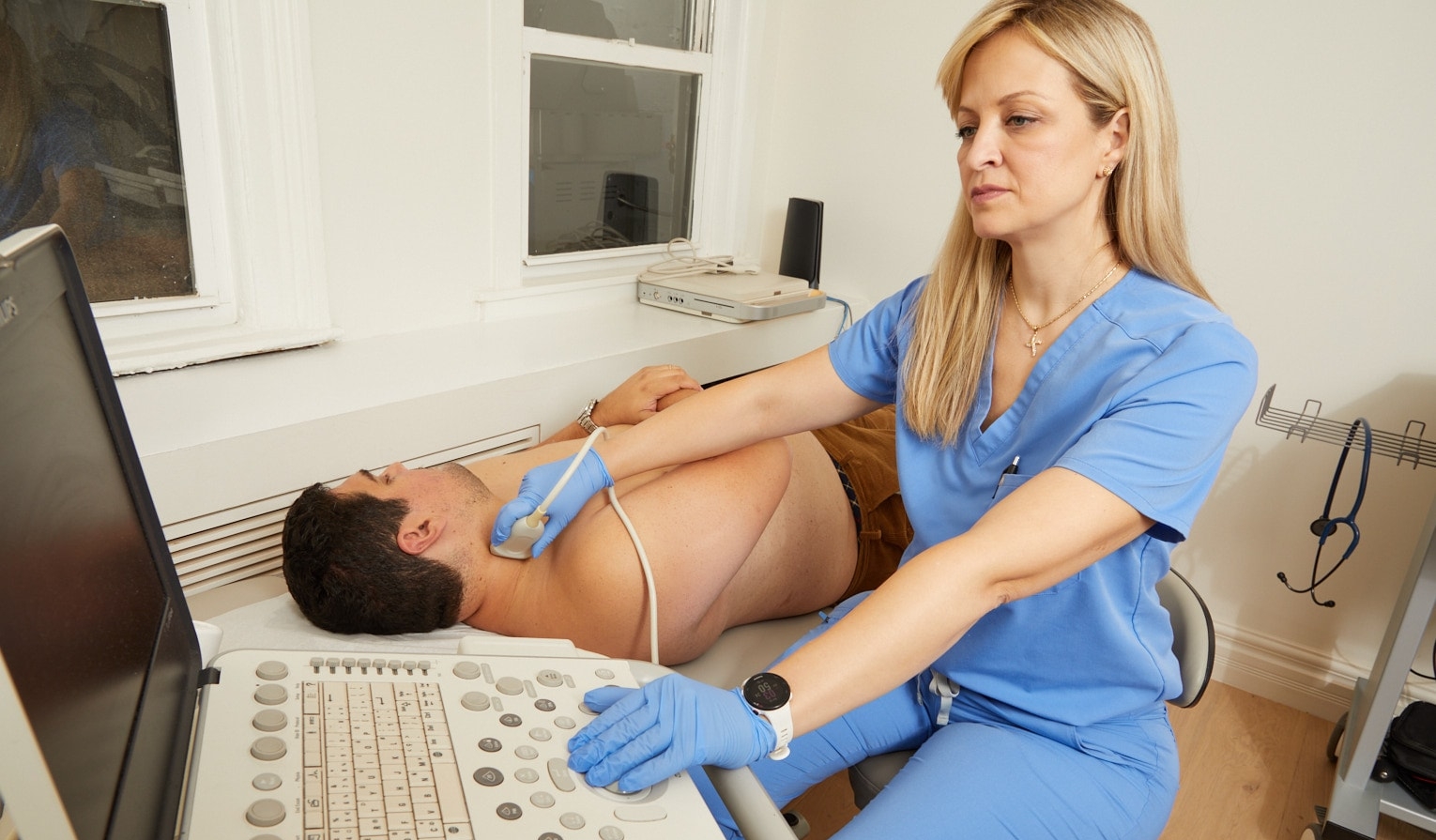
Ultrasound uses high-frequency sound waves transmitted from a handheld probe called a transducer. These sound waves travel into the body, reflect off tissues and organs, and return as echoes. Sophisticated imaging software converts these echoes into detailed real-time images.
Because ultrasound does not rely on ionizing radiation, it is suitable for repeated monitoring, sensitive populations, and long-term follow-up imaging. Advances in digital processing, probe sensitivity, and portable imaging systems have dramatically improved image clarity and diagnostic accuracy in outpatient settings.
The Role of Ultrasound in Diagnostic Imaging
Ultrasound imaging supports rapid evaluation across many medical specialties. Physicians rely on ultrasound to assess organ health, identify abnormalities, evaluate blood flow, monitor fluid accumulation, and guide clinical decisions.
One common example is urinary system imaging using a KUB ultrasound, which examines the kidneys, ureters, and bladder. This exam helps detect kidney stones, urinary obstruction, infections, and post-void urinary retention. Patients often want to understand preparation requirements, pricing expectations, and what findings mean clinically — all of which are explained in our in-depth guide on KUB ultrasound: cost, preparation, results, and what it detects.
Ultrasound is also widely used for abdominal imaging, thyroid evaluation, pelvic health, vascular assessment, and soft tissue imaging, making it one of the most flexible diagnostic tools available.
Advanced Ultrasound Imaging: 3D, 4D & 5D HD Live
Modern ultrasound technology extends far beyond traditional two-dimensional imaging. Advanced systems now offer three-dimensional visualization, motion imaging, and enhanced rendering that improves anatomical clarity and patient experience.
3D ultrasound captures still volumetric images.
4D ultrasound adds real-time motion to 3D imaging.
5D HD Live ultrasound uses advanced lighting and rendering algorithms to enhance surface detail and depth perception.
These technologies are frequently used in obstetric imaging but also contribute to better anatomical visualization in select diagnostic applications. Many patients choose these imaging options for deeper insight and enhanced clarity during pregnancy.
If you’d like a detailed breakdown of how each technology works, safety considerations, image quality differences, and when each option is appropriate, explore our complete guide on 3D, 4D, and 5D HD Live ultrasound explained.
Private Ultrasound Imaging vs Hospital-Based Imaging
Patients today have more choices than ever when it comes to where they receive imaging services. While hospital imaging departments provide comprehensive services, private imaging centers often deliver faster scheduling, more personalized care, and transparent pricing.
Private ultrasound facilities frequently offer:
- Shorter appointment wait times
- More flexible scheduling
- Reduced administrative delays
- Comfortable outpatient environments
- Transparent cash pricing options
Hospitals may be necessary for complex or emergency cases but often involve longer scheduling cycles and higher facility fees.
Understanding the advantages and limitations of each option helps patients choose the best care environment for their needs. Our comparison guide on private ultrasound vs hospital imaging walks through cost differences, insurance considerations, image quality, accessibility, and patient experience.
Who Performs and Interprets Ultrasound Exams?
Ultrasound imaging involves collaboration between multiple healthcare professionals.
A sonographer operates the ultrasound equipment, positions the patient, captures images, and ensures image quality and accuracy during the exam. Sonographers are highly trained in anatomy, imaging protocols, and patient care.
A radiologist or qualified interpreting physician reviews the images, analyzes findings, and produces the diagnostic report that guides treatment decisions.
Understanding the distinction between these roles improves patient confidence and transparency. Learn more about professional responsibilities, training requirements, and how quality assurance works in our guide on radiologist vs sonographer: who does what in medical imaging.
How to Find the Best Ultrasound Near You
Choosing the right imaging provider directly impacts image quality, turnaround time, and overall experience. Patients should consider several factors when searching for ultrasound services:
- Accreditation and licensing
- Experience of imaging staff
- Equipment quality and maintenance
- Turnaround time for results
- Transparent pricing
- Ease of scheduling
- Patient reviews and reputation
Location convenience and appointment availability also matter, especially for time-sensitive imaging needs.
For a step-by-step checklist on how to evaluate imaging providers, avoid common pitfalls, and ensure quality care, visit our guide on how to find the best ultrasound near you.
Why Patients Trust ProCare.com for Ultrasound Imaging
At ProCare.com, we focus on delivering reliable imaging supported by:
✔ Advanced imaging technology
✔ Skilled sonographers and clinical partners
✔ Streamlined scheduling
✔ Clear communication and patient education
✔ Comfortable outpatient environments
Our commitment to imaging excellence ensures every patient receives accurate, dependable diagnostic support.
Schedule Your Ultrasound Appointment
If you’re ready to schedule an ultrasound or want guidance selecting the right imaging service, visit ProCare.com to book your appointment or speak with our team.
Clear imaging leads to confident healthcare decisions — and ProCare is here to support you every step of the way.