
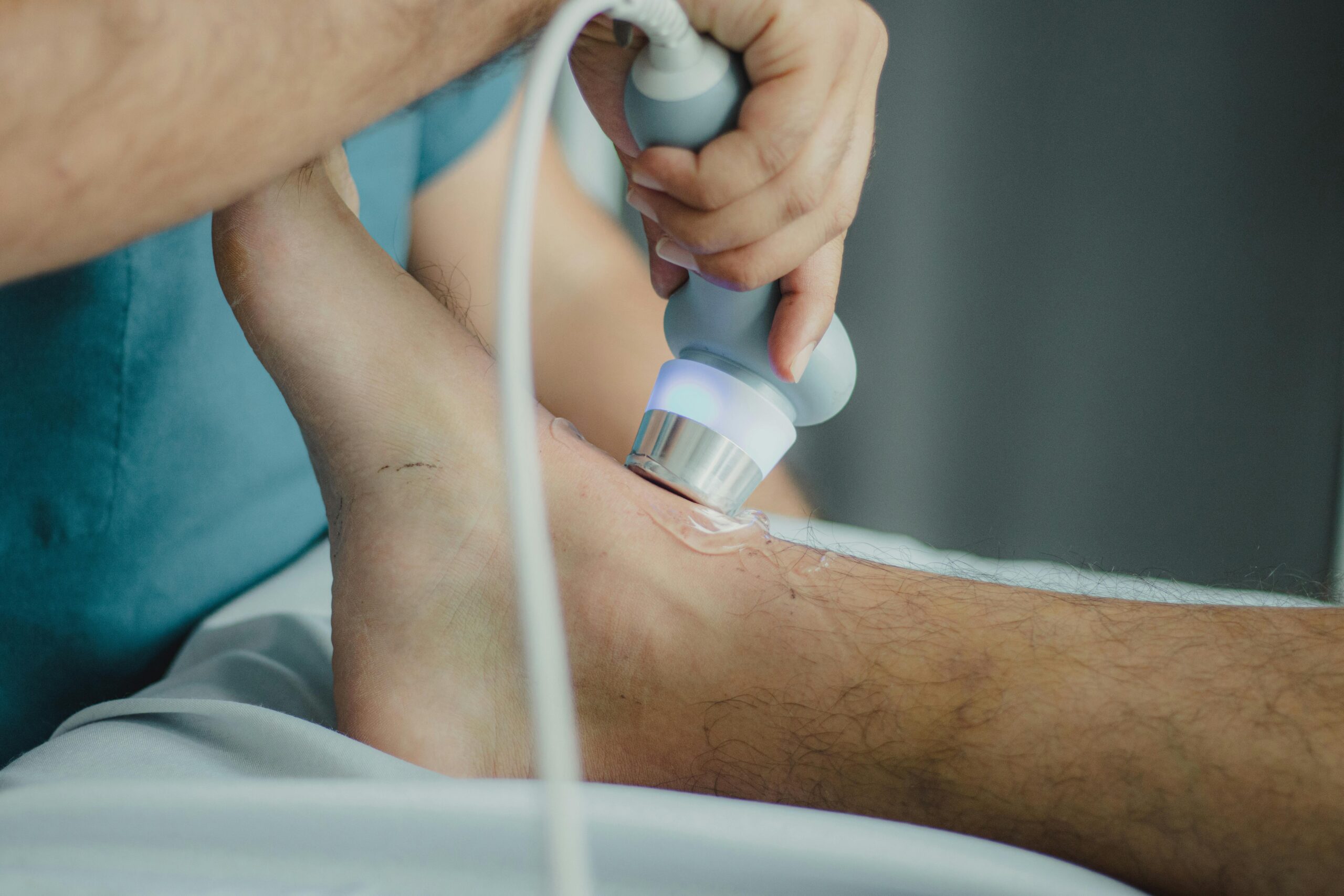
Preparing for an ultrasound appointment is one of the most overlooked parts of the process, yet it can directly impact the quality of your results. Whether you are coming in for a pregnancy scan or a diagnostic evaluation, proper preparation helps ensure clear imaging, accurate results, and a smooth experience from start to finish.
Patients across Atlanta, Dunwoody, and Duluth often ask what they need to do before their appointment. The answer depends on the type of ultrasound you are receiving. This guide walks you through everything you need to know so you can show up confident, prepared, and ready to get the most out of your visit.
Why Preparation Matters for Ultrasounds
Ultrasound imaging relies on sound waves traveling through the body and reflecting back to create images. Certain conditions inside the body can either improve or interfere with this process.
For example, a full bladder can help create clearer images for pelvic and early pregnancy ultrasounds, while food in the stomach can sometimes block visibility during abdominal scans. Proper preparation allows the technician to capture better images, which leads to more accurate interpretations.
Skipping preparation steps can result in unclear images, longer appointments, or even the need to reschedule your scan.
Preparing for a Pregnancy Ultrasound
Pregnancy ultrasounds are among the most common types of scans, and preparation varies depending on how far along you are.
For early pregnancy ultrasounds, especially in the first trimester, you may be asked to arrive with a full bladder. Drinking water before your appointment helps push the uterus into a better position, making it easier to capture clear images.
As the pregnancy progresses, a full bladder is usually no longer necessary. The growing uterus naturally provides enough visibility for the scan.
Wearing comfortable clothing is important, as you may need to expose your abdomen. Two-piece outfits are often more convenient than one-piece clothing.
Patients in Atlanta, Dunwoody, and Duluth often choose elective 3D or 4D ultrasounds later in pregnancy. For these scans, staying well hydrated in the days leading up to your appointment can improve image quality by enhancing the clarity of amniotic fluid.
Preparing for an Abdominal Ultrasound
Abdominal ultrasounds are used to examine organs such as the liver, gallbladder, pancreas, and kidneys. These scans often require specific preparation to ensure accurate results.
In many cases, you will be asked to avoid eating for several hours before your appointment. Fasting reduces gas in the digestive system, which can interfere with the transmission of sound waves and make it harder to see internal structures.
Drinking small amounts of water may still be allowed, but it is important to follow the specific instructions provided by your clinic.
If you are taking medications, you should confirm whether you can continue taking them as usual. Most medications can still be taken with a small sip of water, but it is always best to verify.
Preparing for a Pelvic Ultrasound
Pelvic ultrasounds are used to evaluate reproductive organs and may require a full bladder for optimal imaging.
You will typically be asked to drink several glasses of water before your appointment and avoid using the restroom until after the scan. A full bladder helps lift the pelvic organs into a better position, allowing for clearer images.
In some cases, a transvaginal ultrasound may be performed for more detailed imaging. If this is required, the technician will explain the process and provide guidance to ensure your comfort.
Patients in Dunwoody and Duluth often find that following preparation instructions carefully leads to faster appointments and better results.
Preparing for Doppler and Vascular Ultrasounds
Doppler ultrasounds focus on blood flow and circulation. Preparation for these scans is usually minimal, but there are a few important considerations.
You may be asked to avoid wearing tight clothing, especially if the scan involves the arms or legs. Loose, comfortable clothing makes it easier for the technician to access the area being examined.
In some cases, you may be advised to avoid caffeine or nicotine before the appointment, as these substances can affect blood flow and potentially influence results.
Otherwise, Doppler ultrasounds are generally straightforward and do not require extensive preparation.
What to Bring to Your Appointment
Being prepared goes beyond just physical readiness. Bringing the right items can make your visit more efficient and stress-free.
You should bring a valid form of identification and any necessary payment information. If your ultrasound is related to a medical concern, it can be helpful to bring previous imaging results or relevant medical records.
Even if you are visiting a clinic that does not require a referral, having background information can sometimes improve the overall assessment.
If you are coming for a pregnancy ultrasound, you may also want to bring a partner, family member, or friend to share the experience, depending on the clinic’s policies.
What to Wear for an Ultrasound
Clothing choice can have a bigger impact than many people realize. Wearing the right outfit can make your appointment quicker and more comfortable.
Loose-fitting clothing is ideal, as it allows easy access to the area being scanned. For abdominal and pregnancy ultrasounds, a two-piece outfit such as a shirt and pants or a skirt is recommended.
Avoid clothing with excessive layers or complicated fastenings. Simplicity helps reduce preparation time and allows the technician to begin the scan more quickly.
What Happens If You Do Not Prepare Properly
If preparation instructions are not followed, it can affect the quality of your ultrasound images.
For example, not fasting before an abdominal ultrasound may result in poor visibility of certain organs. Not having a full bladder for a pelvic scan can make it harder to capture clear images.
In some cases, the technician may still be able to complete the scan, but the results may not be as accurate. In other situations, the appointment may need to be rescheduled.
Following preparation guidelines is the best way to avoid delays and ensure you get reliable results the first time.
Where to Get an Ultrasound in Atlanta, Dunwoody, and Duluth
Access to ultrasound services in the Atlanta area has expanded, giving patients more options than ever before.
Hospitals and large imaging centers offer comprehensive services but often require longer wait times and more complex scheduling.
Private clinics provide a faster and more convenient alternative. Many offer same-day appointments, clear instructions, and a more personalized experience.
Clinics like ProCare Ultrasound serve patients across Atlanta, Dunwoody, and Duluth with flexible scheduling and detailed guidance to help you prepare for your appointment.
Final Thoughts
Preparing for an ultrasound is a simple but important step that can make a significant difference in your experience and results. By following the right instructions for your specific type of scan, you can ensure clear imaging, accurate findings, and a smooth appointment.
Whether you are scheduling a pregnancy ultrasound or a diagnostic scan, taking a few minutes to prepare properly can save time, reduce stress, and help you get the answers you need without complications.
Related Articles
Same-Day Ultrasound Appointments: How to Get Scanned Today Without a Doctor’s Referral
Ultrasound Cost Guide: What You Should Expect to Pay
Types of Ultrasounds Explained: 3D, 4D, Doppler and Diagnostic Scans
Are Ultrasounds Safe: What Patients Need to Know